Specialized support in safety, occupational health, environmental management, and quality to protect your projects from operational risks and ensure regulatory compliance.
Field hazard identification, environmental impact analysis, and vulnerability matrices focused on incident prevention in infrastructure projects.
Integrated Management Systems
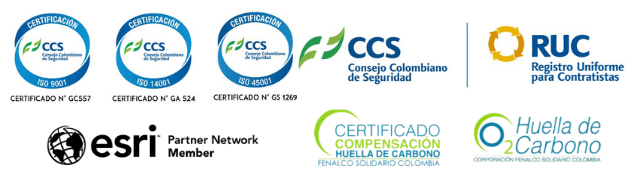
Design, implementation, and auditing of systems in accordance with ISO 9001, ISO 14001, ISO 45001, and the RUC guidelines of the Colombian Safety Council.
Strategic Sustainability
ESG metrics, decarbonization plans, and energy efficiency initiatives to strengthen your company’s environmental performance in the eyes of investors and communities.
Regulatory and Legal Compliance
Strict compliance with applicable Colombian legislation (Decree 1072, Resolution 0312) and international ISO standards to avoid penalties and prevent operational deviations.
Specialized Solutions in HSEQ Consulting and Sustainability
We help companies mitigate operational risk, meet their contractors’ requirements, and align their projects with global sustainability standards.
More than 25 years of technical experience in Oil & Gas and energy across 6 Latin American countries.
Years of experience in this service
+1
Projects executed
+1
Km of CIPS inspections
+1
Incident-free assessments
+1mill h/m
We take a practical approach grounded in real-world conditions, ensuring that safety and sustainability policies translate into operational continuity, a reduction in incidents, and a strong competitive position with your clients.
Traditional HSEQ consulting focuses on immediate regulatory compliance (occupational safety, licensing, and on-site risk management). The ESG approach broadens this scope by incorporating carbon footprint measurement, decarbonization plans, and corporate governance to address investor expectations and long-term sustainability standards.
The RUC evaluates the actual effectiveness of the HSEQ management system. Achieving a score of more than 90% is an essential requirement for becoming a contractor in Colombia’s hydrocarbons and energy sector, demonstrating effective control of operational risks.
The standard process takes between 6 and 10 months, depending on the size of the company and its prior level of maturity. It includes the phases of assessment, documentation design, on-site implementation, internal audit, and management review prior to formal certification.
We identify regulatory gaps with respect to Decree 1072, Resolution 0312, and local environmental regulations. This allows us to correct deviations in a timely manner and avoid fines or suspensions of operations by regulatory agencies.
First-party (internal) audits evaluate the company’s own performance in preparation for certification. Second-party audits are conducted throughout the supply chain to verify that contractors and suppliers meet the safety and environmental standards required by the company.
The PMA establishes specific measures for prevention, mitigation, and environmental compensation. It is integrated into routine operations through procedures for spill control, hazardous waste management (RESPEL), and monitoring of air emissions.
It is the core technical tool of ISO 45001 and the SG-SST. It allows for the prioritization of occupational risks for each job position (elimination, substitution, engineering controls, signage, and PPE) in order to implement effective operational controls before work begins.
Receive the gap analysis, the updated legal matrix, the IMS documentation and implementation, the internal audit reports, and the corrective action plan for the continuous improvement of the system.
// Prepare your company by assessing its level of HSEQ compliance
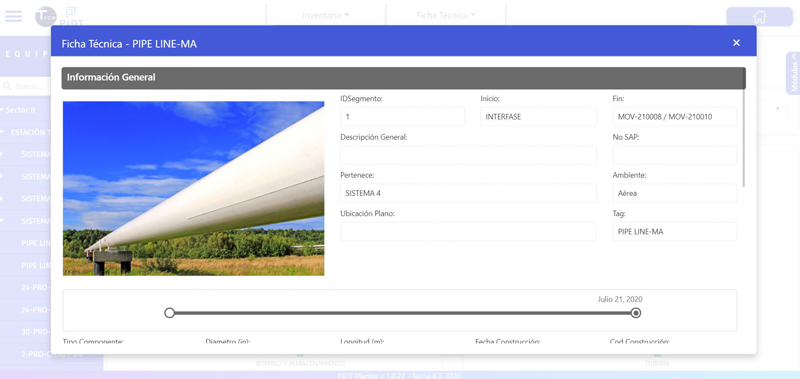
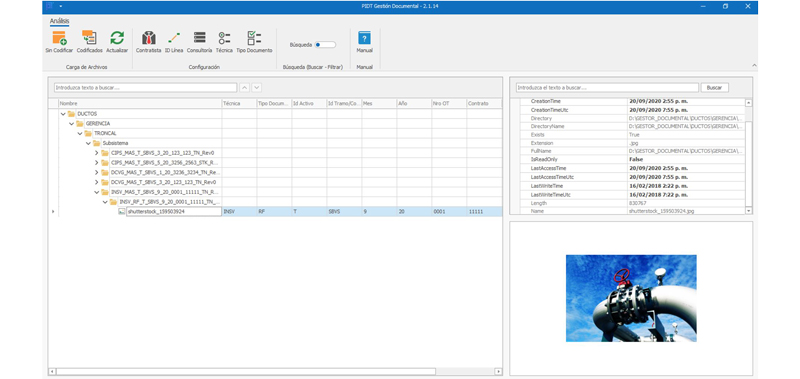
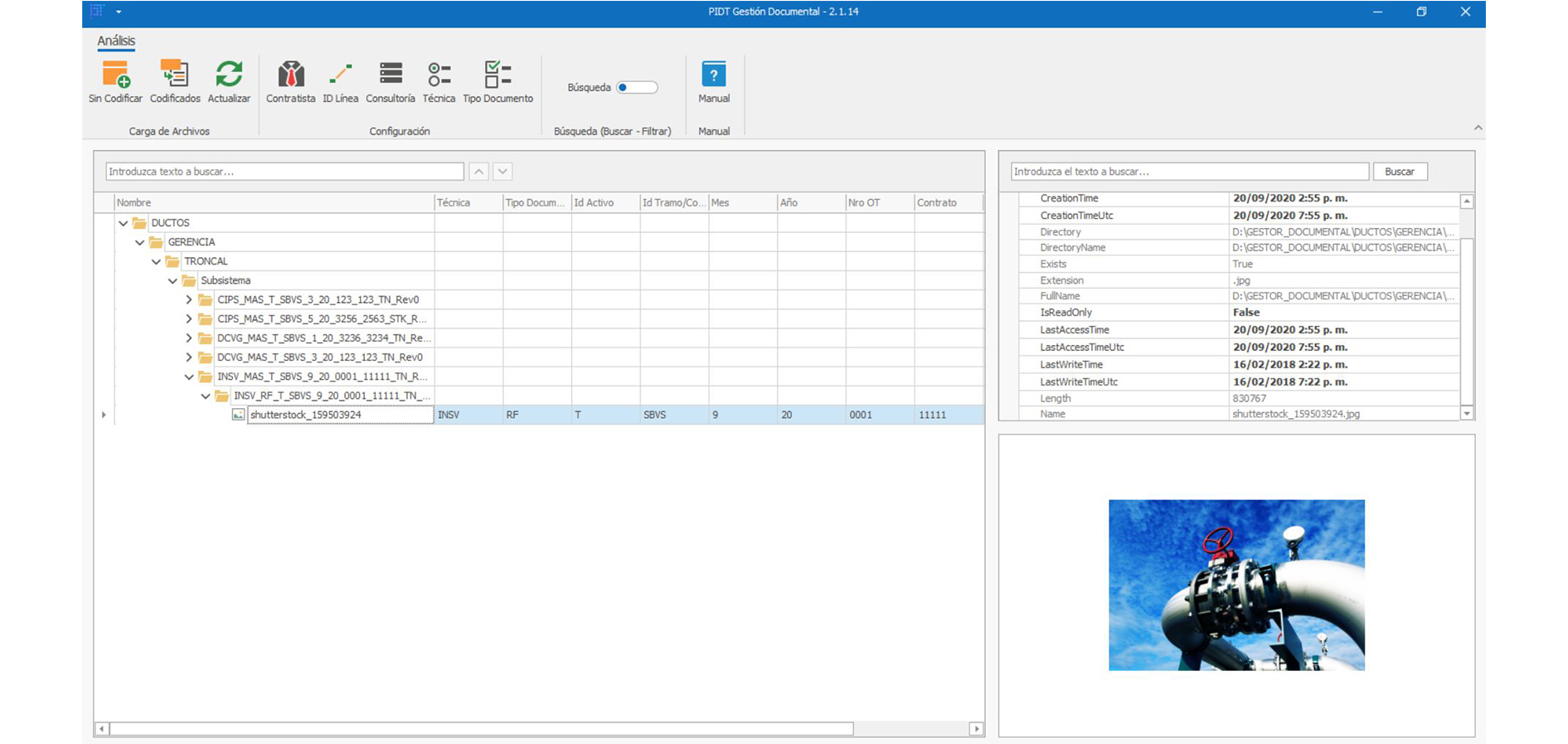
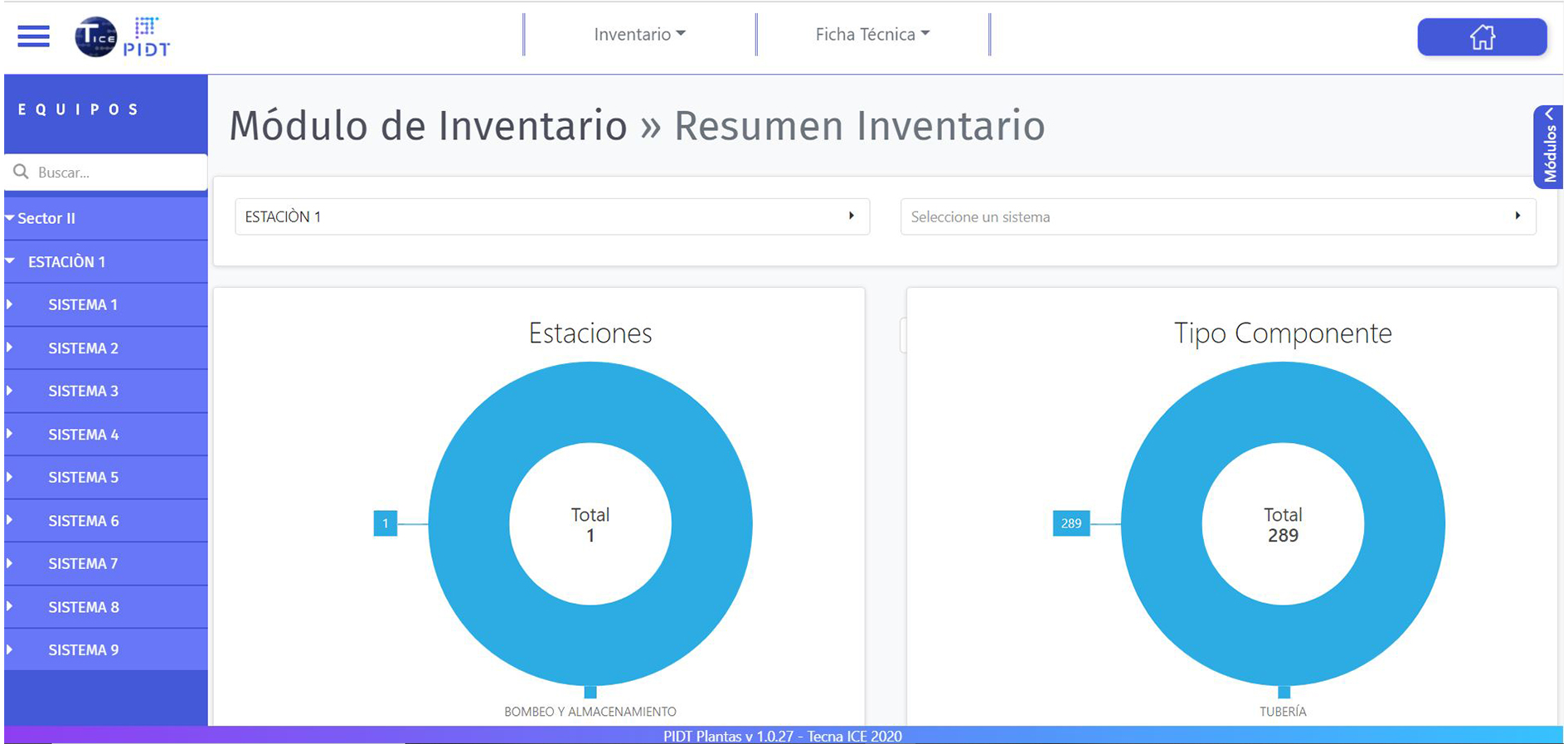
It allows the centralization and codification of the information related to the integrity of the Asset: The necessary nomenclatures are defined in order to identify each document according to its origin. Likewise, each document can be classified in relation to the process in which it is involved. It allows organizing documents by means of a hierarchical tree that enables searches and filters to quickly find documents.
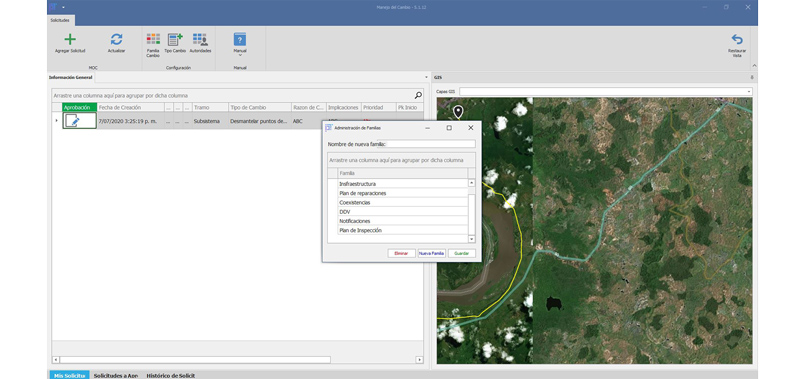
Allows the evaluation and control of modifications to the design of facilities, operation, organization or activities; prior to implementation, in order to ensure that no new elements will be introduced that increase the risk and existing hazards to the business, people or the environment based on applicable regulations.
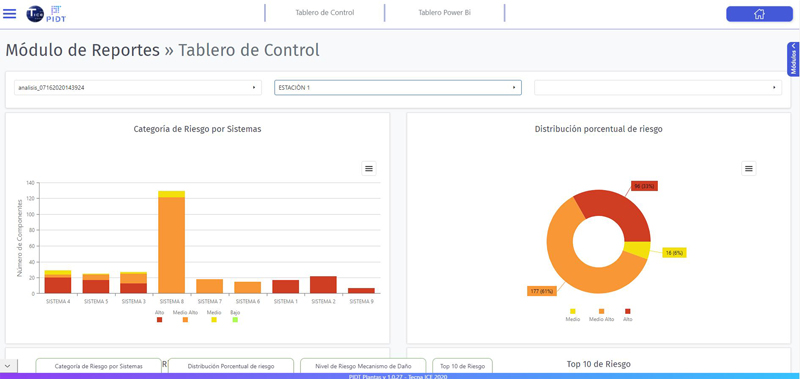
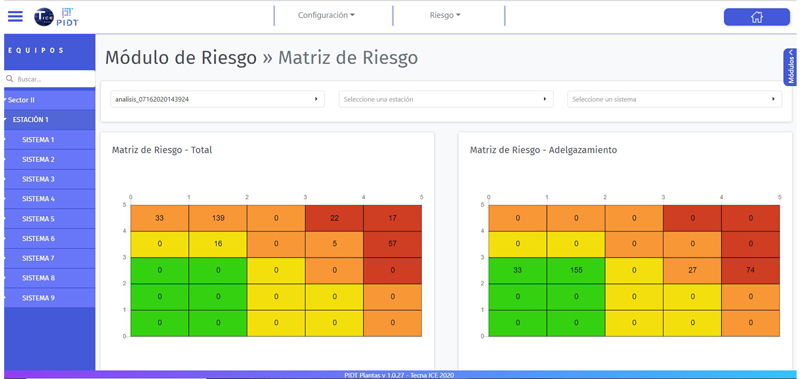
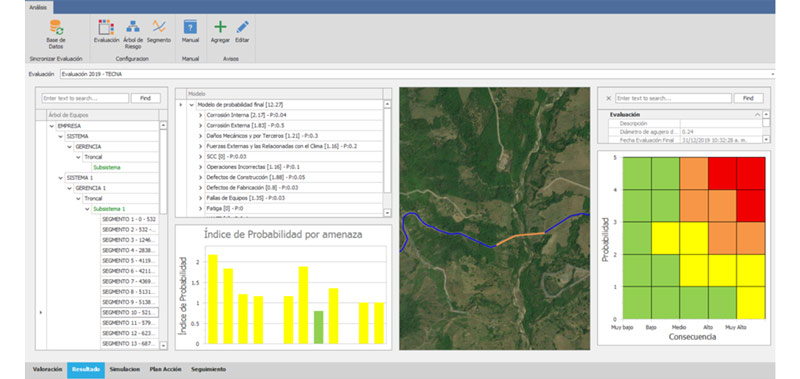
Assesses and analyzes the risk level of the Assets to generate an inspection plan. It is designed to perform the calculation and analysis of static equipment risk under the RP API 581-16 standard. The user will be able to create the required risk assessments
to generate a valuation and inspection plan.
It allows the centralization and codification of the information related to the integrity of the Asset: The necessary nomenclatures are defined in order to identify each document according to its origin. Likewise, each document can be classified in relation to the process in which it is involved. It allows organizing documents by means of a hierarchical tree that enables searches and filters to quickly find documents.