Chemical Monitoring
Systematic assessment of fluid aggressiveness using gravimetric, microbiological, and electrochemical techniques to monitor internal and external degradation of infrastructure.

Identification of microbiologically influenced corrosion (MIC) through cell counting and molecular techniques for the control of sulfate-reducing bacteria.
Implementation of weight-loss coupons and electrochemical probes in accordance with NACE/AMPP standards to determine the severity of degradation in mils per year (mpy).
Specialized analysis of production water, natural gas, and suspended solids to calculate saturation indices and the risk of scaling.
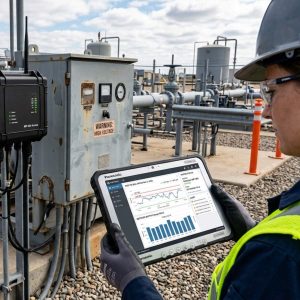
Integration of linear polarization resistance (LPR) probes and remote transmitters with integrity platforms for real-time monitoring of variables.
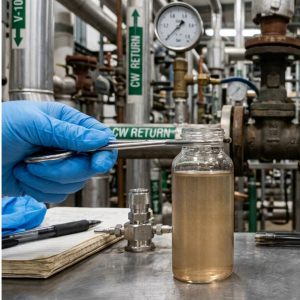
Through the physicochemical characterization of process fluids and the direct analysis of corrosion test specimens, we provide the technical information needed to adjust inhibitor dosages and protect the integrity of assets.
More than 25 years of technical experience in Oil & Gas and energy across 6 Latin American countries.
At TECNA ICE, we combine the disciplines of analytical chemistry, microbiology, and corrosion engineering to provide a comprehensive assessment of the corrosiveness of your process fluids.
According to the general standard (NACE SP0775), gravimetric coupons are exposed for periods ranging from 60 to 90 days. Exposures shorter than 30 days may reflect transient, unrepresentative rates, while periods longer than 120 days may saturate the coupon with corrosion products.
SRBs consume the cathodic hydrogen produced on the metal’s surface and reduce sulfates to sulfides, causing severe, accelerated localized pitting corrosion that can perforate the pipe in a substantially shorter time than general corrosion.
Gravimetric coupons provide an average cumulative corrosion rate over the exposure period. Electrochemical probes (LPR and ER) provide instantaneous, real-time readings, allowing for the immediate detection of sudden changes in fluid corrosivity caused by inhibitor injection failures or oxygen ingress.
Liquid water is the essential electrolyte for the electrochemical corrosion process to occur. Knowing its pH, salinity, and the presence of dissolved CO2H2S and scaling ions makes it possible to calculate the probability of acid corrosion or deposit-induced corrosion and to adjust the chemistry of the preventive treatment.
The external coupon simulates an uncoated defect in the buried pipe. By momentarily interrupting its connection to the pipe, the “OFF” potential—free of IR drop—is measured to assess whether the cathodic polarization level in the metal meets the immunity criteria specified in NACE SP0169.
It identifies the exact crystalline structure of the deposits. For example, distinguishing between troilite, mackinawite (indications of corrosion by H2S or SRB), and siderite (FeCO2), which indicates corrosion by CO2, makes it possible to confirm the active damage mechanism within the system.
Yes. Using high-pressure access fittings (2,000–6,000 psi) and low-pressure retrieval tools (retriever tools), our technicians install or remove test coupons and probes without having to depressurize or shut down the line.
Corrosion rate data (mpy) and microbiological count data are uploaded to the PIDT platform. If an increase in the fluid’s corrosiveness is detected, the system adjusts the risk model and reschedules NDT ultrasonic inspections for the affected segments.
Deployment of telemetry technology and electronic probes for continuous monitoring of the instantaneous corrosion rate.
A combination of gravimetric, physicochemical, microbiological, and metallurgical analyses to identify the root cause of the deterioration.
Field procedures and laboratory tests conducted in accordance with recognized and auditable international methodologies.
We transform laboratory chemical data into input variables that can be used directly within the company's PIMS/RBI plans.
Cathodic protection - Online
Juan Bermudez
Assets integrity, NDT Inspections, TECNA GPS Interrupter - Online
Diego Mendoza
Carbon Footprint, GIS, HSEQ, Process Safety, Risk, Software Dev, Technology - Online
Erika Milena Rincón
20+ años de experiencia en ingeniería y tecnología en la industria (20+ years of engineer and technology experience in the industry).
Leave your name, email and select the topics you are interested in. We will send you only relevant information, no spam.

Scan this QR code to
view TECNA ICE contacts
Start optimizing your cathodic protection system with our information, consult our experts if you require further information or advice.
Receive expert support to choose the solution that best suits your operation.
Connect with an expert and solve your technical needs accurately.
Receive expert support to choose the solution that best suits your operation.
Request a demo of our PIDT integrity software, or share your requirements. We are ready to support you
Leave us your data and your resume. We will contact you in future selection processes.
Request a quote or send us your requirements. Our technical team is ready to help you.


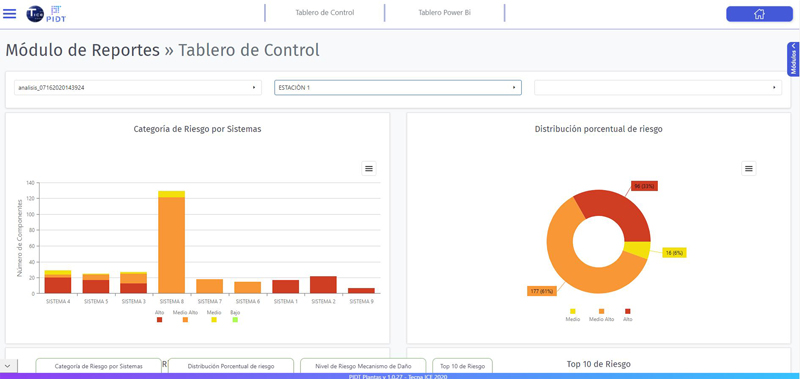
It contains the relevant KPIs to obtain a risk ranking, which are represented by means of dashboards.
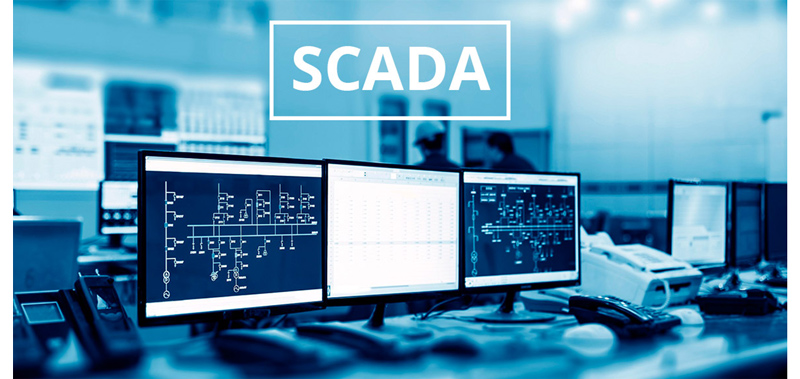
Integrates the PIDT Plants with the SCADA tool, in order to calculate the risk, making use of variables such as pressure,
temperature, flow, etc.
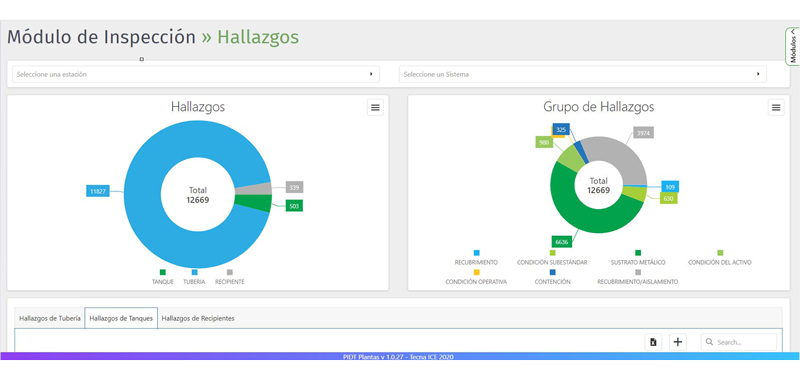
Bulk loading of inspections performed on static equipment, generating an inspection plan derived from RBI and sending SAP alerts.
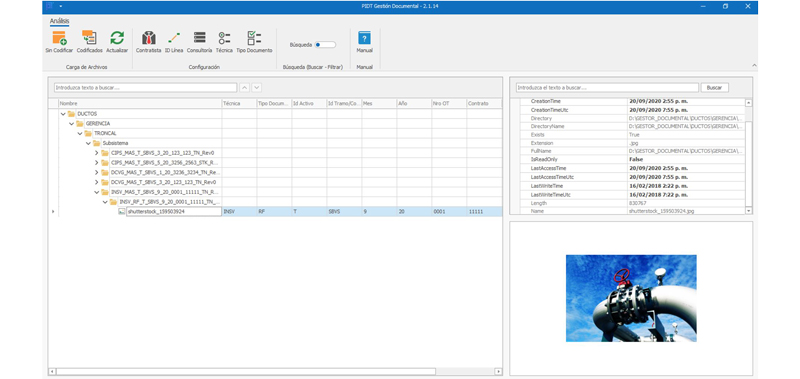
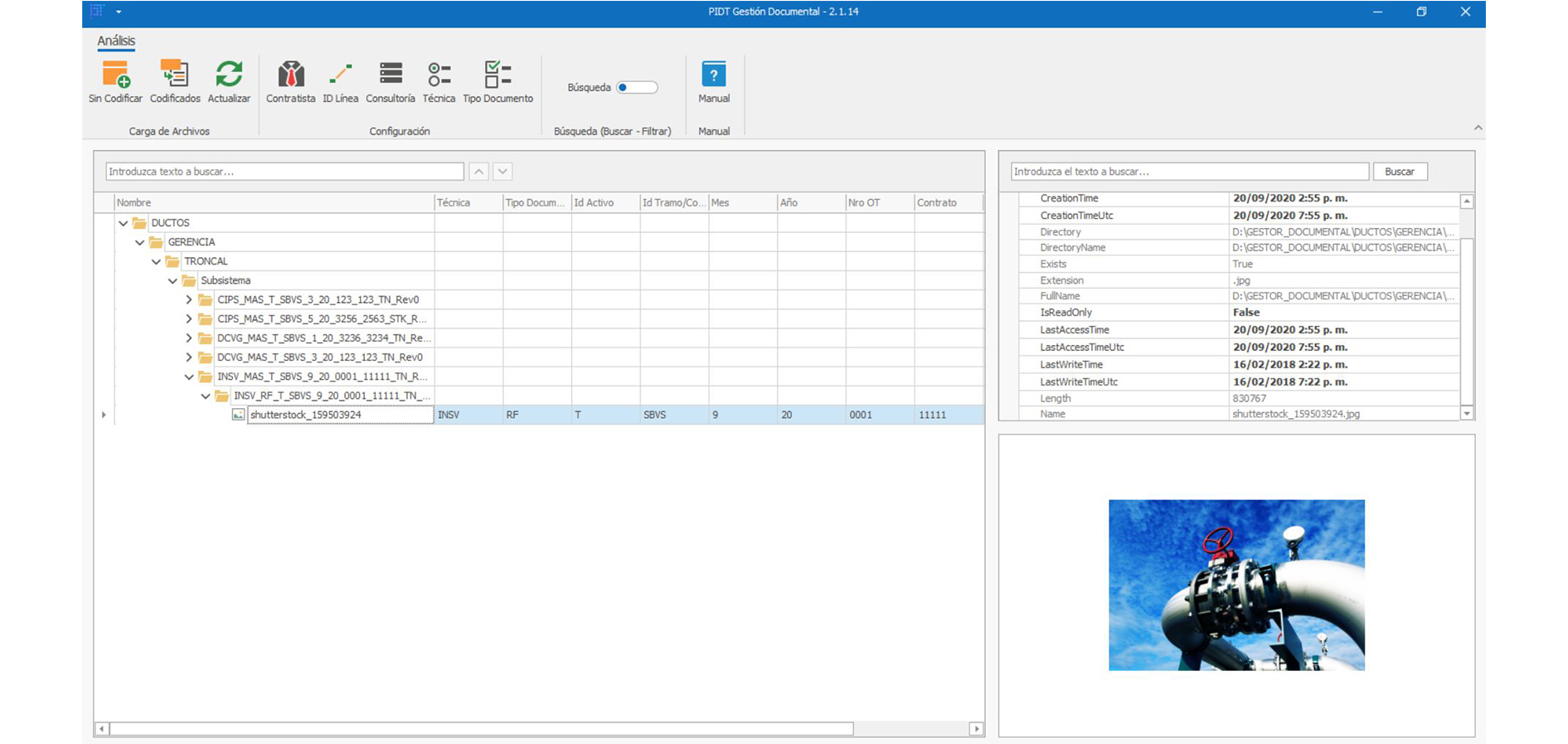
It allows the centralization and codification of the information related to the integrity of the Asset: The necessary nomenclatures are defined in order to identify each document according to its origin. Likewise, each document can be classified in relation to the process in which it is involved. It allows organizing documents by means of a hierarchical tree that enables searches and filters to quickly find documents.
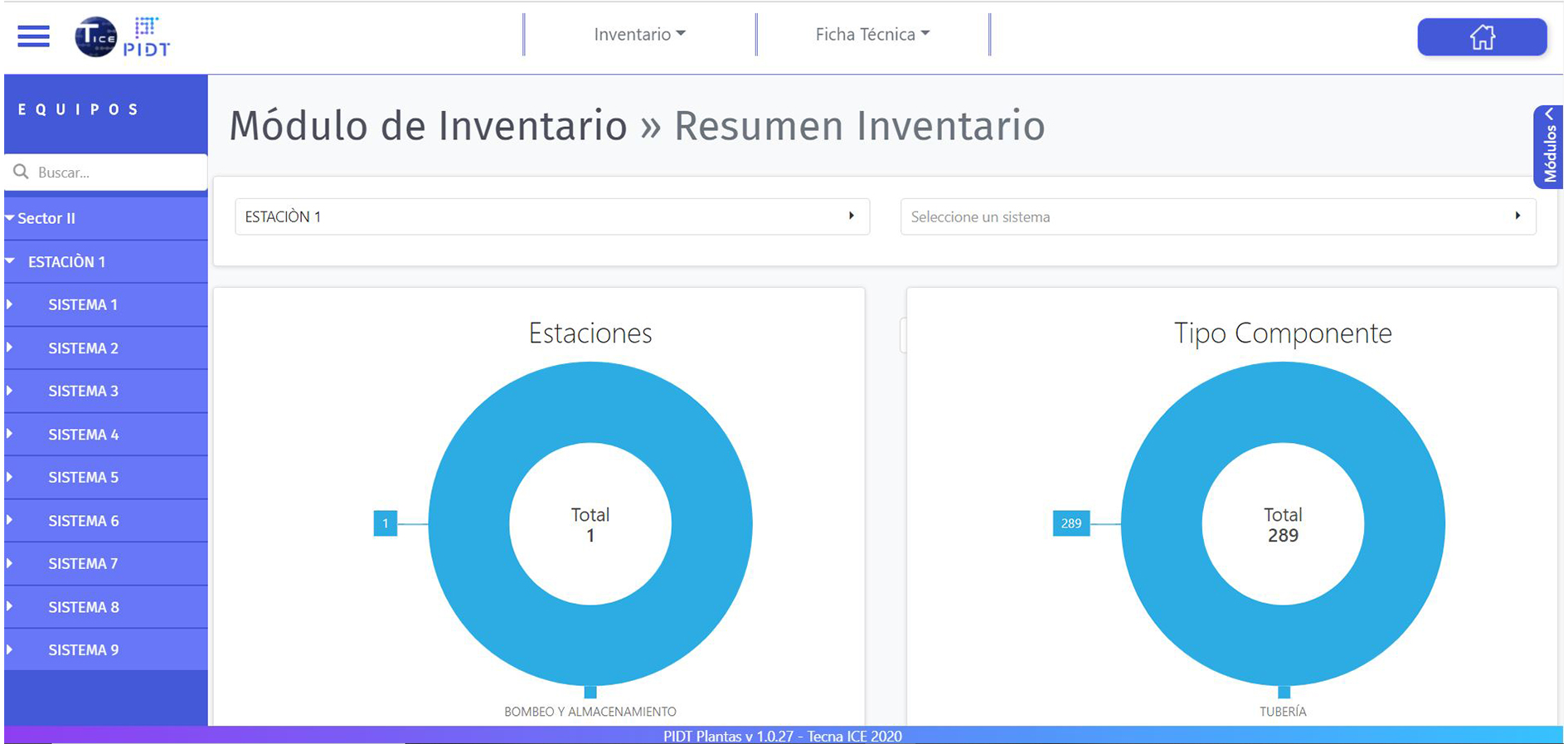
Allows the management, analysis and visualization of information compared to company targets related to:
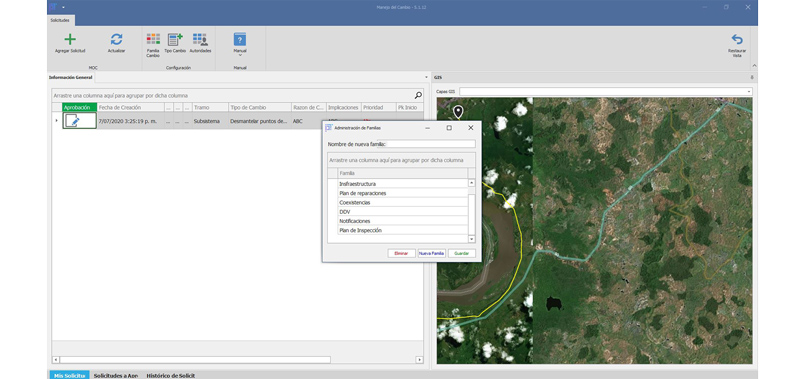
Allows the evaluation and control of modifications to the design of facilities, operation, organization or activities; prior to implementation, in order to ensure that no new elements will be introduced that increase the risk and existing hazards to the business, people or the environment based on applicable regulations.
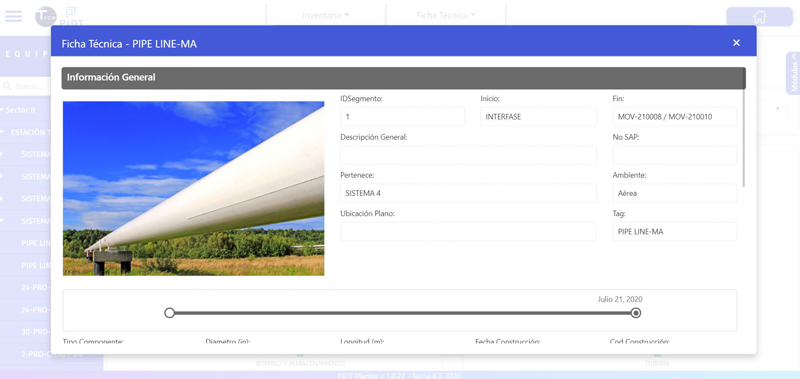
Allows the consultation of information associated with the life cycle of the asset and its accessories.
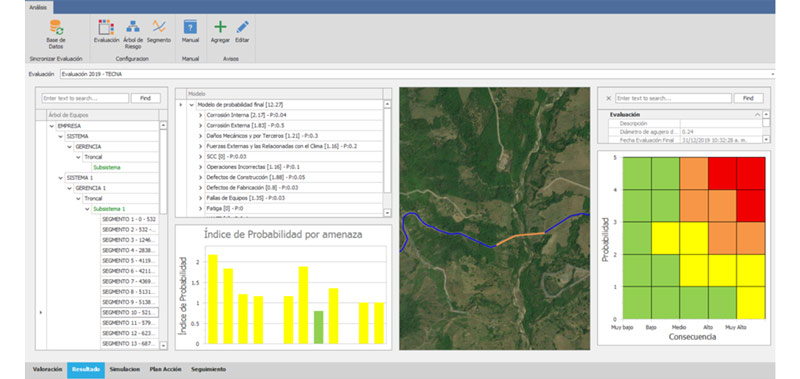
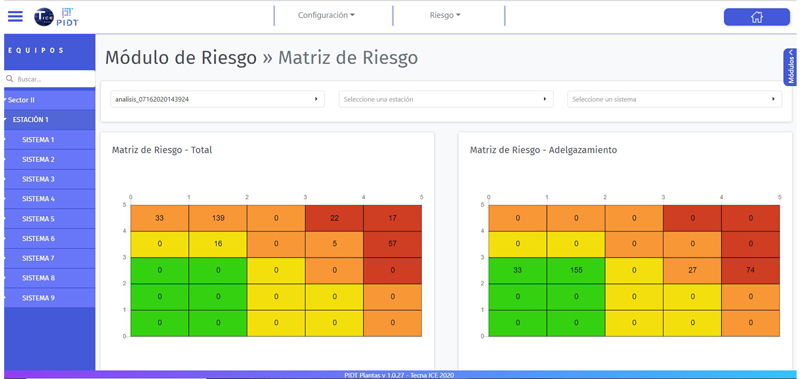
Assesses and analyzes the risk level of the Assets to generate an inspection plan. It is designed to perform the calculation and analysis of static equipment risk under the RP API 581-16 standard. The user will be able to create the required risk assessments
to generate a valuation and inspection plan.
It allows the centralization and codification of the information related to the integrity of the Asset: The necessary nomenclatures are defined in order to identify each document according to its origin. Likewise, each document can be classified in relation to the process in which it is involved. It allows organizing documents by means of a hierarchical tree that enables searches and filters to quickly find documents.