API AMPP Certifications

Regulatory inspection of tanks, pressure vessels, process piping, and coating systems performed by certified inspectors to ensure mechanical integrity and regulatory compliance at industrial facilities.

Storage Tank Audit

Structural assessment, calculation of the corrosion rate on the bottom and hull, and settlement inspection to determine maintenance intervals during out-of-service periods.

Integrity of Pressure Vessels

Volumetric and surface verification of boilers, process towers, and storage tanks, including calculation of the maximum allowable working pressure and remaining service life.

Reliability in Process Piping

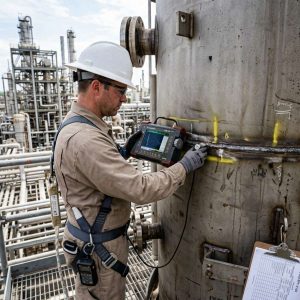
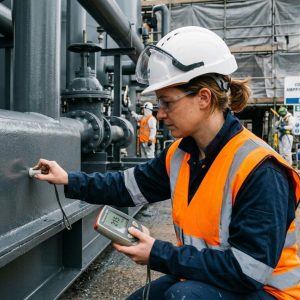
Inspection of piping systems using non-destructive testing to detect wall thinning caused by localized corrosion, erosion, or cracking before it leads to containment failures.

Coating Assurance

QA/QC supervision and quality control by CIP Level 1, 2, and 3 inspectors to ensure proper surface preparation, application, and adhesion in corrosion protection systems.

Inspection Services in Accordance with API and AMPP Standards

We use internationally standardized protocols to assess the mechanical condition of tanks, pressure vessels, piping, and protective coatings.

Certified Experience

More than 25 years of technical experience in Oil & Gas and energy across 6 Latin American countries.

Certificaciones empresa TECNA ICE
Experiencia en Evaluación y Mitigación de interferencias eléctricas en ductos | Tecnaice.
Years of experience in this service
+ 1
Projects executed
+ 1
Km of CIPS inspections
+ 1
Incident-free assessments
+ 1 mill h/m

We guarantee independent and well-founded technical reports to regulatory agencies, ensuring that your equipment operates within safe operating parameters.

Frequently Asked Questions

The API 653 standard does not specify a single time frame in years, but rather states that the internal inspection interval must be calculated based on the corrosion rate of the tank bottom. The maximum regulatory interval for internal inspection must not exceed 20 years (or sooner if the corrosion rate indicates that the minimum thickness will be reached in less time). External visual and thickness inspections must be performed every 5 years or at specified intervals.

A Level II NDT technician is certified (for example, under ASNT TC-1A) to perform specific non-destructive tests (ultrasonic, penetrant, radiographic) and interpret the results. An API 510-certified inspector is formally authorized by the American Petroleum Institute to conduct a comprehensive inspection of the pressure vessel, evaluate the results provided by NDT technicians, recalculate the maximum allowable working pressure, determine corrosion rates, and sign the certificate of operability or the repair plan.

API 570 classifies pipelines into categories (Class 1, Class 2, Class 3, and Class 4) based on the fluid’s risk level (flammability, toxicity, reactivity) and the pipeline’s location. The frequency of wall thickness inspections at TMLs (Thickness Measurement Locations) is determined by the pipeline class or half of the calculated remaining service life, whichever is shorter, ensuring that the pipeline is inspected before it reaches the thickness-of-withdrawal limit.

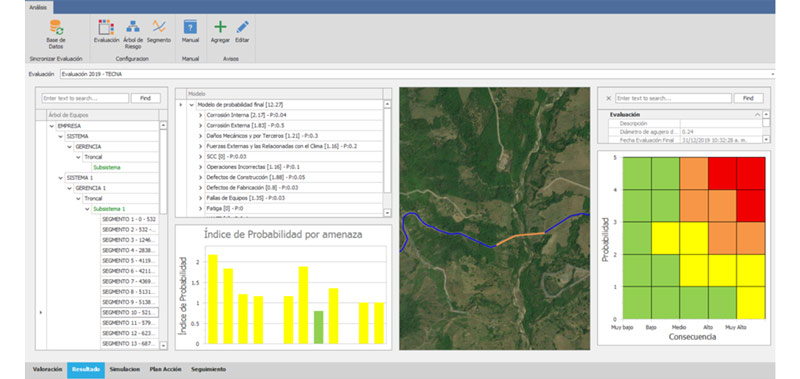
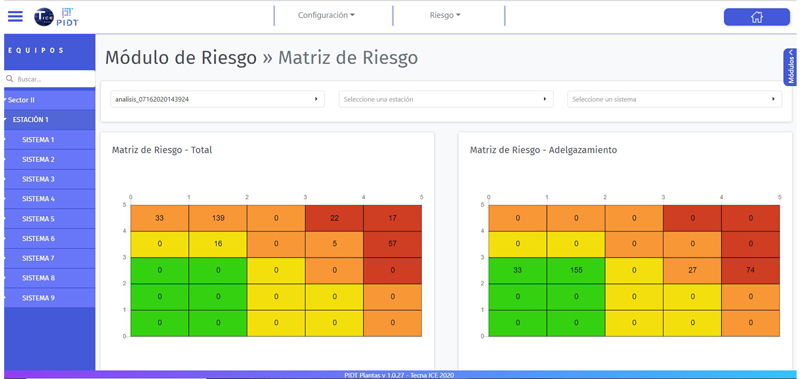
The implementation of RBI in accordance with API 580/581 shifts plant shutdowns from a fixed-time basis to a scheme focused on actual risk. This allows for extending inspection intervals on low-risk assets, reducing costs associated with unscheduled scaffolding and isolation, and concentrating investments in non-destructive testing on equipment with a high probability of failure or severe consequences, thereby increasing the plant’s overall availability.

More than 80% of premature failures in coating systems occur due to deficiencies in surface preparation or during the application process (inappropriate relative humidity, trapped solvents, thickness outside tolerance). The AMPP CIP inspector audits each phase of the process in real time in accordance with SSPC/NACE standards, preventing costly rework and ensuring that the corrosion barrier meets its projected service life.

API 579 Level 1 uses simplified tables and on-site calculations; if the defect (e.g., pitting or wall loss due to cracking) does not meet the conservative criteria of Level 1, it is escalated to Level 2 (more rigorous engineering calculations using precise profilometry data). If the geometry is complex or combined stresses are present, a Level 3 evaluation is performed using finite element analysis (FEA), which allows for the validation of the equipment’s integrity while avoiding unnecessary replacements or plant shutdowns.

We provide a comprehensive integrity report that includes: an inspection report signed by an API-certified inspector and bearing the registration seal; a thickness measurement map; a spreadsheet detailing corrosion rates and remaining life; a recalculation of georeferenced photographic records; a prioritized findings matrix; and, in the event of repairs, the recommended work plan in accordance with the applicable code.

Our inspections are strictly independent to ensure the objectivity of the assessment and to avoid conflicts of interest. However, we provide detailed engineering designs and technical specifications so that the client can carry out repair or modification work in accordance with ASME/API code guidelines using qualified welding contractors.

// Certify tanks, containers, or pipes for your next audit cycle

Get personalized guidance.

Regulatory compliance, certified personnel, and analytical solutions for comprehensive asset management.

NDT Integration and FFS Analytics

We combine data collection using advanced, high-resolution NDT equipment with quantitative remaining life modeling in accordance with API 579.

Operational Reliability Approach

Diagnostics aimed at preventing unscheduled downtime by optimizing inspection plans using the RBI methodology to reduce the total cost of asset ownership.

Expert After-Sales Support

Plans strictly aligned with international standards (API, ASME, AMPP).

Directly Certified Staff

Assessments conducted and independently signed by professionals with active registrations on the official API portal (Directory of Certified Personnel) and the AMPP platform.


    This form uses Akismet to reduce spam. Learn how your data is processed.

    1