SPC Engineering

Comprehensive cathodic protection (CP) engineering solutions to mitigate corrosion in pipelines, tanks, and submerged structures through rigorous design, field installation, commissioning, and rehabilitation of existing systems.

Design and Engineering in Accordance with NACE / AMPP / ISO Standards

Electromagnetic and electrochemical calculations in accordance with NACE SP0169, NACE SP0193, and ISO 15589 standards to ensure the structure's projected service life.

Comprehensive System Life Cycle Management

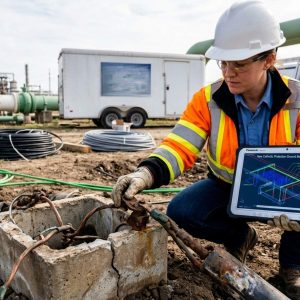
Coverage of all operational phases: from on-site current requirement testing to the commissioning, adjustment, and balancing of rectifiers.

Guarantee of Effective Electrochemical Protection

Metal passivation through precise control of polarization potentials to prevent pitting and containment failures.

Specialization in Geometries and Stress Environments

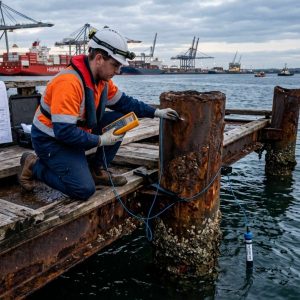
Custom solutions for deep-bed applications in pipelines, anode grids installed beneath tank bottoms, installations at marine piers, and the rehabilitation of aging infrastructure.

Specialized Services in SPC Engineering and Cathodic Protection

We transform soil resistivity measurements and electrochemical studies into efficient physical systems that halt the deterioration of buried or submerged metal structures.

Certified Experience

More than 25 years of technical experience in Oil & Gas and energy across 6 Latin American countries.

Certificaciones empresa TECNA ICE
Experiencia en Evaluación y Mitigación de interferencias eléctricas en ductos | Tecnaice.
Years of experience in this service
+ 1
Projects executed
+ 1
Km of CIPS inspections
+ 1
Incident-free assessments
+ 1 mill h/m

Our team includes AMPP/NACE-certified engineers (Cathodic Protection Specialists and Technologists), ensuring optimized designs that reduce energy consumption, maximize the service life of the anodes, and protect the client’s infrastructure investment.

Frequently Asked Questions

The impressed current cathodic protection (ICCP) system is recommended for large-scale structures (pipelines many kilometers long, large tanks) or in high-resistivity soils or water where high voltages and currents are required to achieve polarization. Sacrificial anodes (SACP) are ideal for small structures, short sections of well-coated pipelines, or where electrical power is not available.

It is determined through soil resistivity studies at multiple depths (Wenner method) and geological data for the area. Deep cathodes are selected to pass through low-resistivity strata and ensure a uniform distribution of current along the pipeline without causing overpolarization or surface interference.

According to NACE SP0169 / AMPP, one of two main criteria must be met: an instantaneous “OFF” potential free of IR drop of at least -850 mV relative to the copper/copper sulfate electrode, or a cathodic polarization value of at least 100 mV measured between the structure and the electrode.

The “ON” potential includes the ohmic voltage drop across the soil and the coating generated by the flowing current. The instantaneous “OFF” potential (measured by synchronously interrupting the current sources) eliminates this ohmic component, reflecting the true electrochemical polarization at the metal-soil interface.

Cathodic overprotection (potentials more negative than -1100 mVCSE) causes cathodic disbondment of the coating and the evolution of molecular hydrogen, which can lead to hydrogen-assisted cracking (HSC) in high-strength steels. We design and install automatically regulated rectifiers to keep potentials within the safe window.

It consists of periodically inspecting rectifiers, measuring output current and voltage, taking potential readings at test points, and adjusting resistors in junction boxes to ensure that each section of the pipeline or each anode receives the designed current flow.

The following information is required: tank diameter, type of soil/sand bed at the base, presence of a waterproof membrane, availability of electrical power, soil resistivity, and specifications for the bottom liner.

It allows for real-time remote monitoring of voltage, output current, and structure potential. The system issues automatic alerts in the event of power grid failures, protection trips, or drastic changes in the resistance of the anode bed.

// Assess your requirements and design a customized solution.

Get personalized guidance.

Specialization in electrochemistry, certified personnel, and proven solutions for highly complex projects.

Comprehensive Solutions

Capability to handle everything from site assessment and detailed design to supply, installation, and final commissioning.

AMPP/NACE Certified Engineers

Designs and evaluations performed by Level 3 and 4 cathodic protection specialists with extensive knowledge of international standards.

Focus on Sustainability and Efficiency

Maximizing the service life of anodic systems and optimizing electrical energy consumption in rectifiers.

Strict Interference Control

Designs engineered to mitigate interference caused by high-voltage power lines or third-party systems.


    This form uses Akismet to reduce spam. Learn how your data is processed.

    1