
Follow-up on HAZOP Recommendations: How to Verify Their Closure?
From HAZOP to Verifiable Action: How to Demonstrate Follow-Up and Closure of Process Safety Recommendations?
Identifying risks is essential in an industrial facility, but what happens after a condition requiring attention is identified?
HAZOP and LOPA studies allow for the analysis of risk scenarios and can generate recommendations to improve process safety.
However, a recommendation is not fully substantiated simply because it appears in a record as having been carried out. It is also important to demonstrate what was done and how the results were verified.
HAZOP and LOPA: How Do They Differ?
Although both methodologies are used in process safety, they address different questions.
HAZOP (Hazard and Operability Study)
Hazard and operability study.
What could go wrong in a process?
It helps identify deviations, their possible causes, consequences, and existing safeguards.
LOPA (Layer of Protection Analysis)
Layer of protection analysis.
Are the safeguards sufficient for a given risk scenario?
This allows you to evaluate the risk reduction provided by independent layers of protection for a specific scenario.
Both methodologies can complement each other, although not all HAZOP studies subsequently require a LOPA analysis.

What happens after a risk is identified?
Imagine that during a HAZOP, a scenario involving excessive pressure in an industrial line is identified.
The team recommends updating the response procedure for that condition.
If the scenario requires a LOPA analysis, it can also be assessed whether the independent layers of protection considered provide sufficient risk reduction.
Here lies an important distinction: the evidence required to close out each recommendation depends on what was requested.
Updating a procedure requires different evidence than that used to verify the operation of a safety measure.

Four Questions to Ask Before Closing a Recommendation
When an action is marked as completed, it is important to review four aspects:
- What was done?
The action taken must correspond to the original recommendation and the agreed-upon scope.
- Who was responsible?
There must be an identified person responsible and a record of the action taken.
- What evidence is available?
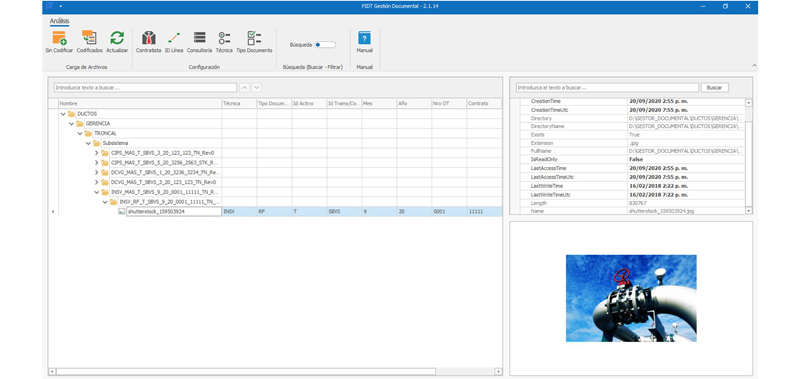
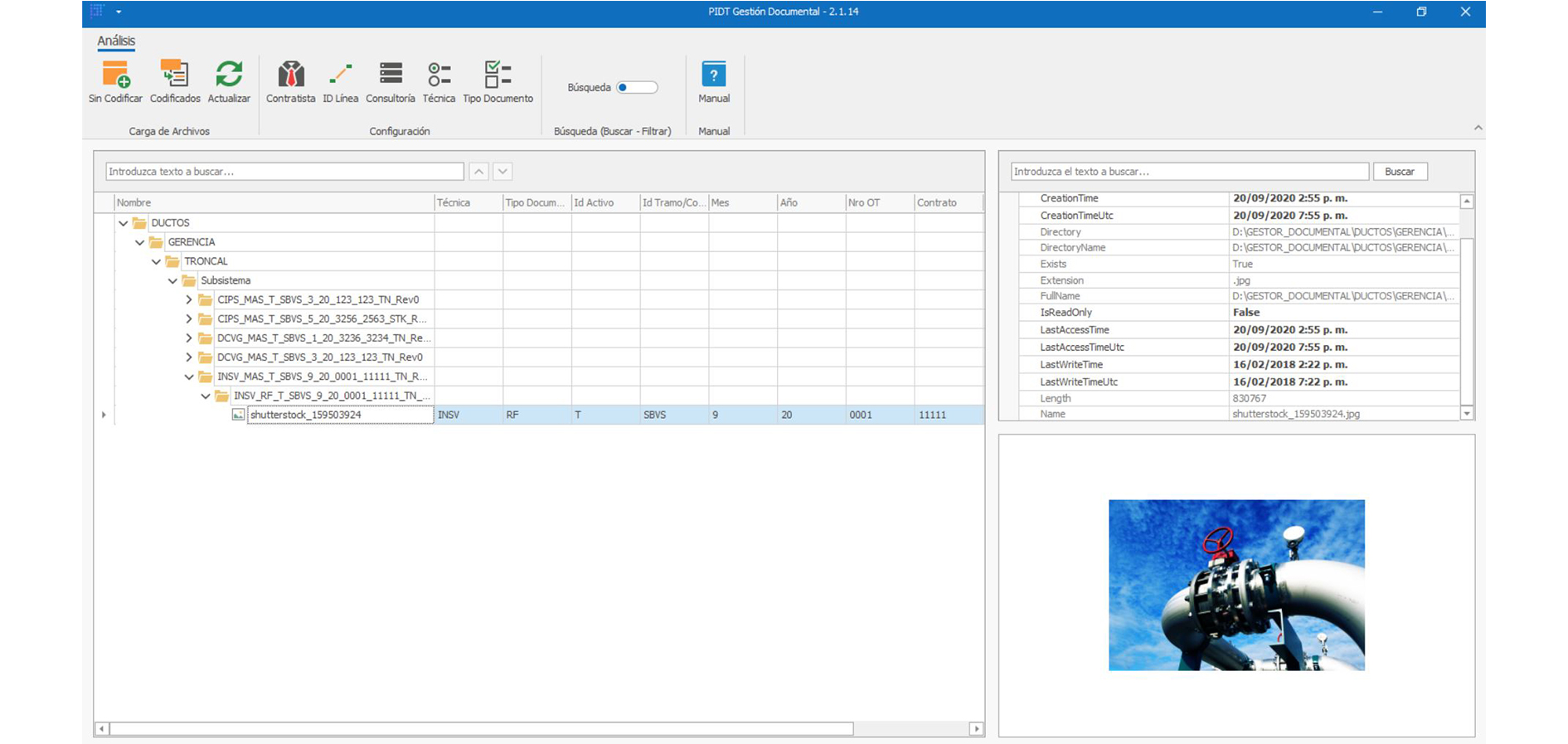
The evidence must allow for verification of the requested result. A photograph, for example, can show that a component was installed, but not necessarily that it works.
- Who verified the closing?
The review of the result and the corresponding decision must be documented in accordance with the applicable procedure.

Test Your Technical Judgment
A high-pressure response procedure was updated, and the activity is marked as completed.
What evidence would best support closing this activity?
- A) A document without a version number.
- B) The approved procedure and the applicable communication or training records.
- C) A message stating that the activity was completed.
Answer: B. It allows for better verification of the update and its communication. If the recommendation includes other measures, the corresponding evidence will be required.
This exercise is illustrative and does not replace each organization’s approval procedure.
How does this relate to the PPAM?
In Colombia, Decree 1347 of 2021 establishes the Major Accident Prevention Program (PPAM), which applies to facilities that meet its classification criteria.
Resolution 5492 of 2024 regulates the Safety Management System for the Prevention of Major Accidents (SGSPAM), which includes 16 elements related to prevention, control, monitoring, and improvement.
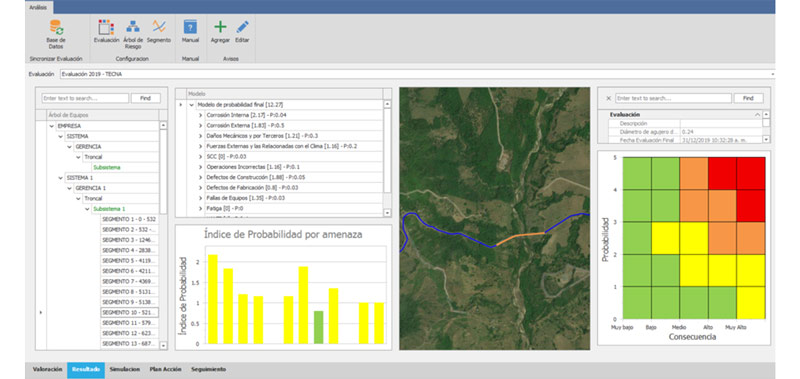
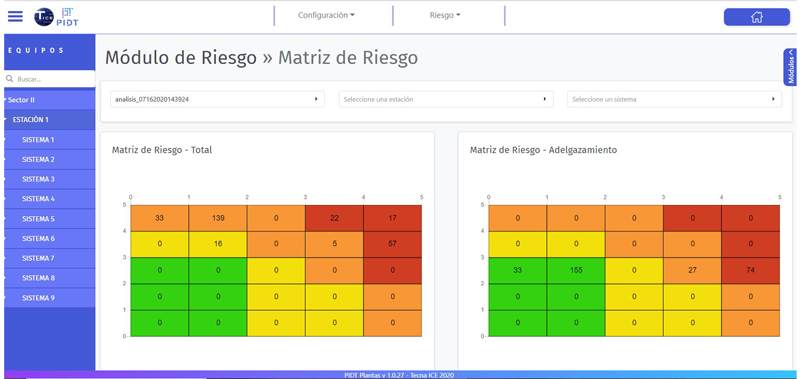
In this context, having organized records makes it possible to determine which actions were taken, which ones require follow-up, and what evidence is available to support technical decisions.
Follow-up doesn’t end when an action is taken; it must also make it possible to demonstrate the result achieved.