
Decree 1072 of 2015: How to Use the SG-SST for Safe Management
Decree 1072 of 2015 in the Oil & Gas Industry: How to Transform the SG-SST into Safe Operational Management
In an oil and gas, energy, or critical infrastructure operation, an incident is rarely due to a single cause. It is usually the result of a chain of events: an unsafe condition, a maintenance failure, a contractor with incomplete information, an unevaluated modification, or an asset operating outside its control window.
For this reason, Decree 1072 of 2015 should not be viewed solely as a documentation requirement for the SG-SST. In high-risk industries, this regulation is a strategic tool designed to strengthen operational safety, improve technical traceability, and link worker protection to asset reliability.
Decree 1072 of 2015 compiles the regulations governing the labor sector in Colombia. The SG-SST is defined as a logical, phased process based on continuous improvement to anticipate, identify, assess, and control risks that may affect occupational safety and health.
From Document Compliance to Operational Control
In many companies, the Occupational Health and Safety Management System (SG-SST) is managed as a collection of supporting documents: policies, training records, matrices, minutes, inspections, and reports. All of these are necessary, but in sectors such as oil and gas, energy, mining, fluid transportation, ports, and industrial plants, the challenge lies in translating that documentation into operational decisions.
A hazard matrix should not just sit on a shelf. It must be integrated with maintenance processes, mechanical integrity, NDT inspection, cathodic protection, GIS, work permits, contractors, and emergency plans.

Pyramid of Safe Operational Management
| Level | Key Question | Expected result |
|---|---|---|
|
5. Data-Driven Decision-Making |
What technical information supports the decision? |
Prioritizing risks and resources. |
|
4. Asset Integrity |
Is the asset safe to trade? |
Fewer critical failures. |
|
3. Contractor Oversight |
Who is involved, and under what oversight? |
Less uncontrolled exposure. |
|
2. Risk Management |
What could go wrong, and what would be the impact? |
Operational prevention. |
|
1. SG-SST Compliance |
Does the company comply with the standard? |
Legal and documentary basis. |
The difference lies in using Decree 1072 of 2015 as a starting point, not as an endpoint.
Figures that demonstrate the urgency of integration
Globally, the ILO (International Labor Organization) estimates that nearly 3 million workers die each year from work-related accidents and illnesses, while 395 million suffer nonfatal injuries. These figures confirm that workplace safety remains a structural challenge, even in organizations with formal management systems.
In Colombia, the situation calls for immediate action. According to the Colombian Security Council, the following were reported in 2024:
- 521,226 workplace accidents.
- 10,429 work-related illnesses.
- 408 worker deaths.
This amounts to 1,428 accidents per day and eight deaths per week. For high-risk industries, the message is clear: regulatory compliance must evolve toward technical and verifiable prevention.
How should Decree 1072 of 2015 be applied to high-risk transactions?
The decree requires identifying hazards, assessing risks, defining controls, planning, verifying, and improving. In an industrial operation, this cycle is implemented on five fronts.

Integrating these five areas makes the difference between having a system that merely passes audits and one that truly prevents incidents in the field. To illustrate this shift in mindset in day-to-day operations, the following table summarizes the key differences between a purely document-based SG-SST and a truly operational one:
SG-SST (Documentary) vs. SG-SST (Operational)
| Topic | Documentary Approach | Recommended Operational Approach |
|---|---|---|
|
Risk Matrix |
File updated periodically |
A tool linked to tasks, assets, and permissions. |
|
Contractors |
Requirements Folder |
Field monitoring, evidence collection, and follow-up. |
|
Emergencies |
General Plan |
Scenarios by asset, area, and criticality. |
|
Maintenance |
Separate program |
Decisions that integrate HSEQ and integrity. |
|
Indicators |
General Rates |
Early warnings, findings, closure of actions. |
|
Technology |
Document Repository |
GIS, dashboards, traceability, and technical reports. |
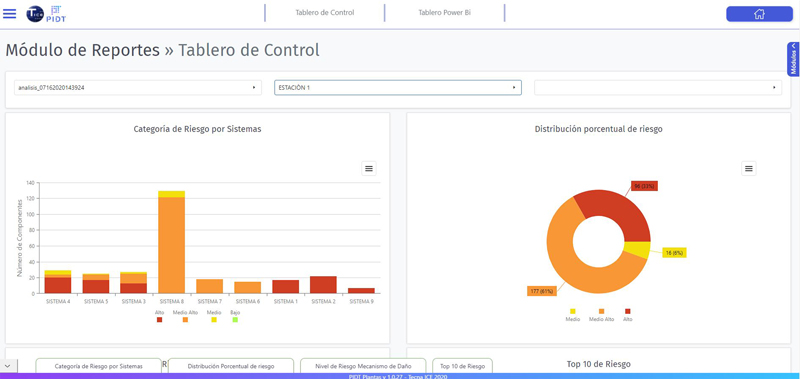
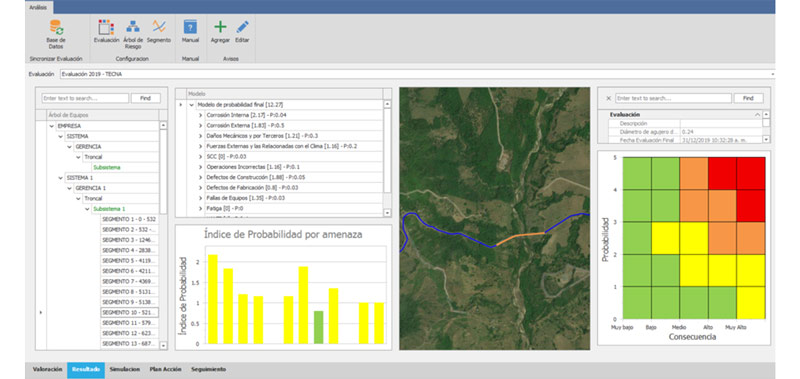
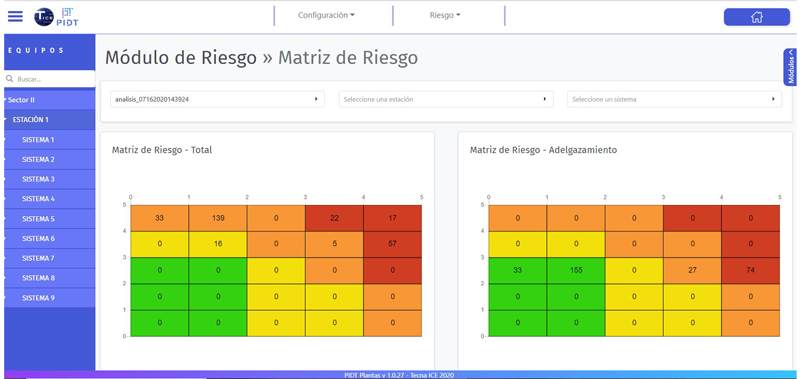
The operational risk map highlights a key concept: the SG-SST does not operate solely within the HSEQ framework. Its effectiveness depends on the connection between people, assets, territory, emergencies, and technical information.
Practical Recommendations for the Industry:
- Verify that the hazard matrix is linked to critical assets, actual tasks, and contractors.
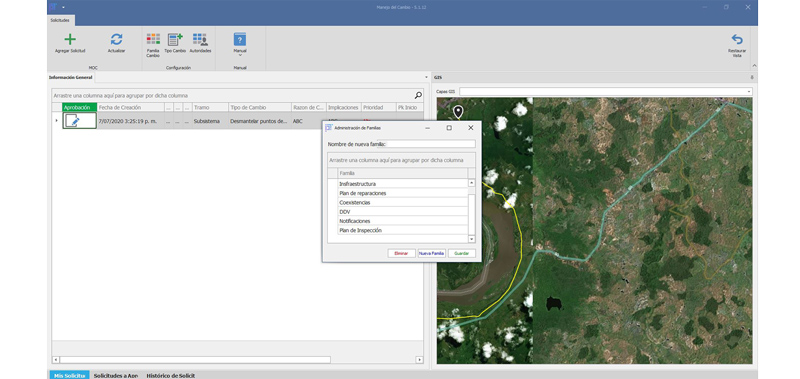
- Assess whether change management includes impacts on safety, integrity, operation, and maintenance.
- Verify whether the emergency plans are georeferenced and up to date for each scenario.
- Incorporate NDT inspections, corrosion, cathodic protection, and maintenance into the risk assessment.
- Use metrics that measure the resolution of issues, recurrence of findings, asset criticality, and contractor performance.
- Digitize HSEQ evidence to improve traceability, analysis, and decision-making.
The Value of Technological and Regulatory Integration.
In demanding industries, Decree 1072 of 2015 can serve as a foundation for unifying operational risk management, asset integrity, and information technology.
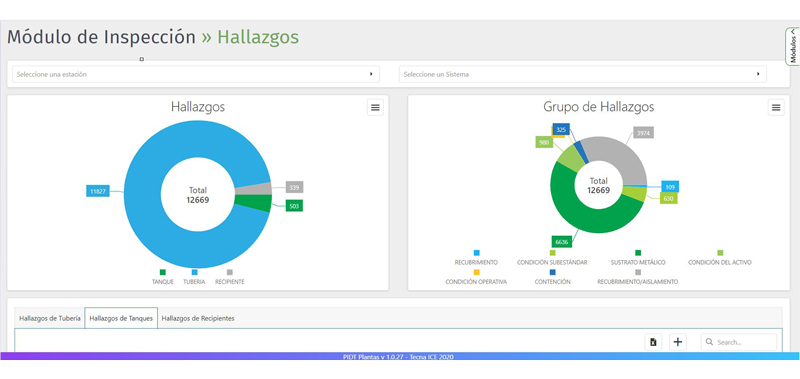
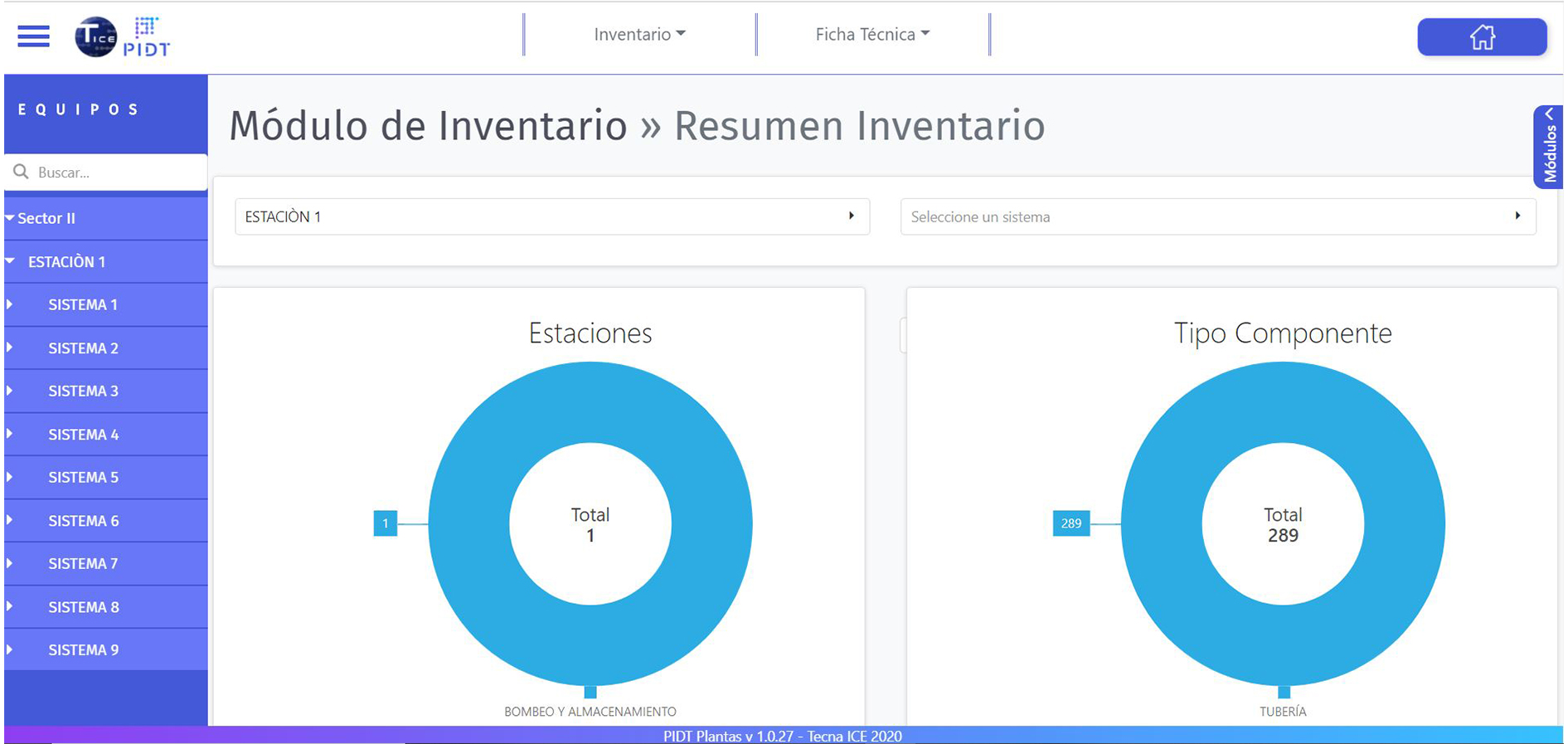
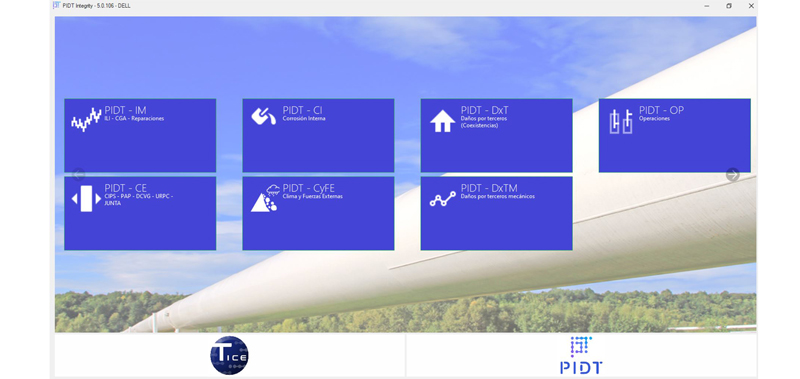
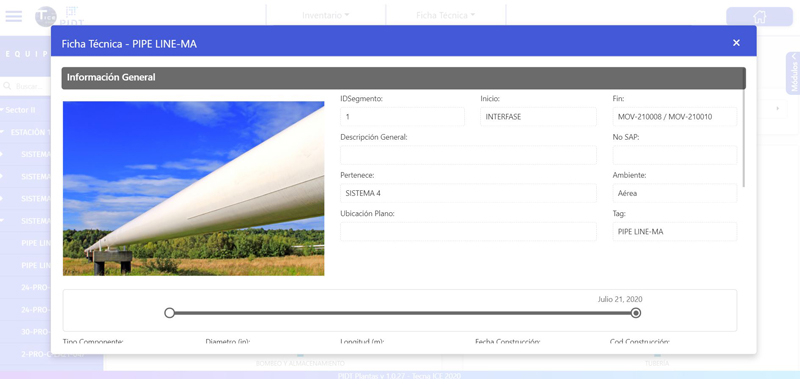
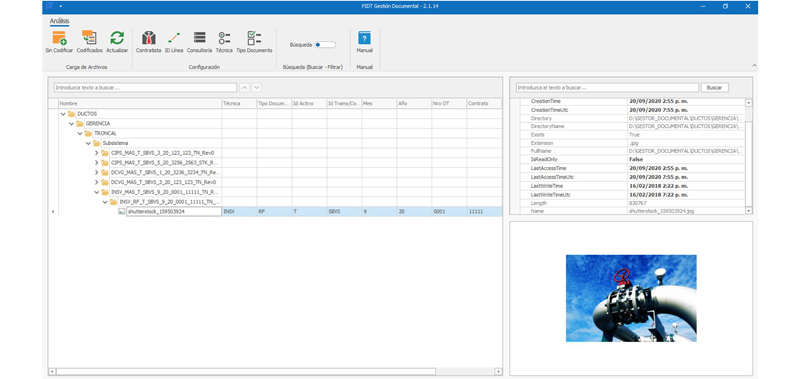
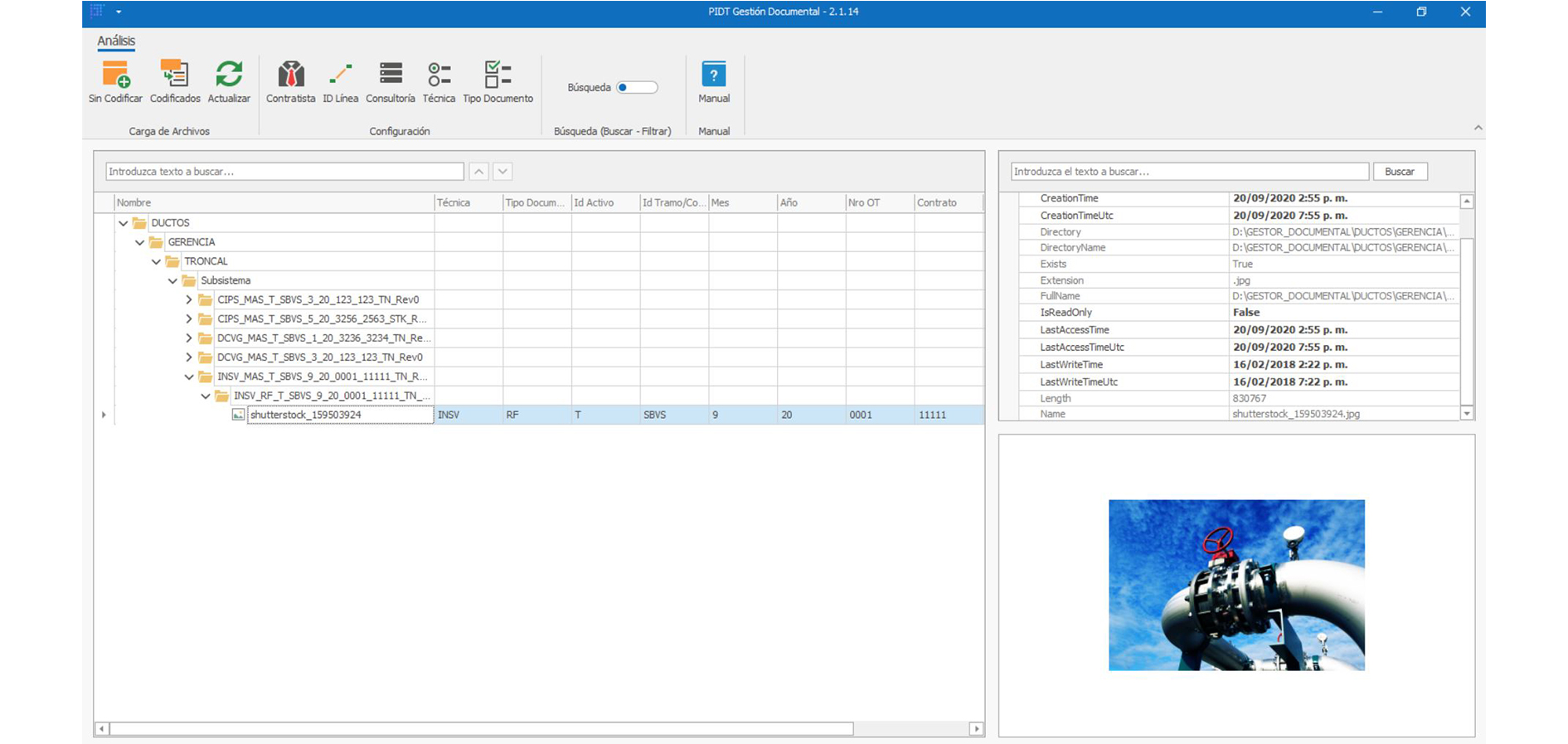
At TECNA ICE, we support industrial companies by providing solutions in mechanical integrity, NDT inspection, cathodic protection, specialized HSEQ software (PIDT), and geographic information systems (GIS). This synergy ensures that industrial safety is grounded in technical information, traceability, and applied prevention.
In short, a secure operation is not one that accumulates the most compliance files, but rather one that transforms those documents into verifiable on-site controls, reliable data, and timely operational decisions before the risk materializes.
Sources:
https://www.iso.org/standard/63787.html?__cf_chl_f_tk=81T7xXqFWL_33Av9ZMff.ZJLXhFzPYxIY5scr0gPNDk-1783129910-1.0.1.1-mrAJ5147b7gmznLv2NpVGz069s9GqgXqkZmZdk9jMWw
Colombian Ministry of Labor (2015), Decree 1072. Civil Service. https://www.funcionpublica.gov.co/eva/gestornormativo/norma.php?emergente=1&i=72173
ILO (2023). Nearly 3 million people die of work related accidents and diseases. ILO. https://www.ilo.org/resource/news/nearly-3-million-people-die-work-related-accidents-and-diseases
Colombian Safety Council (2025). Although the workplace accident rate declined in 2024, there are still more than 1,400 accidents and one fatality per day. CCS. https://ccs.org.co/siniestralidad_laboral_2024/
FASECOLDA (2025). The Impact of Age on the SGRL. Journal of the Colombian Insurers Federation. Available at: https://www.fasecolda.com/wp-content/uploads/56-75-PB.pdf
Did you find this content useful?
Subscribe and receive technical articles, updates and more in your inbox.
Do you want to successfully integrate technology and regulations?
Explore our specialized services in applied technology.